







Search Results for: autumn pour-over blend
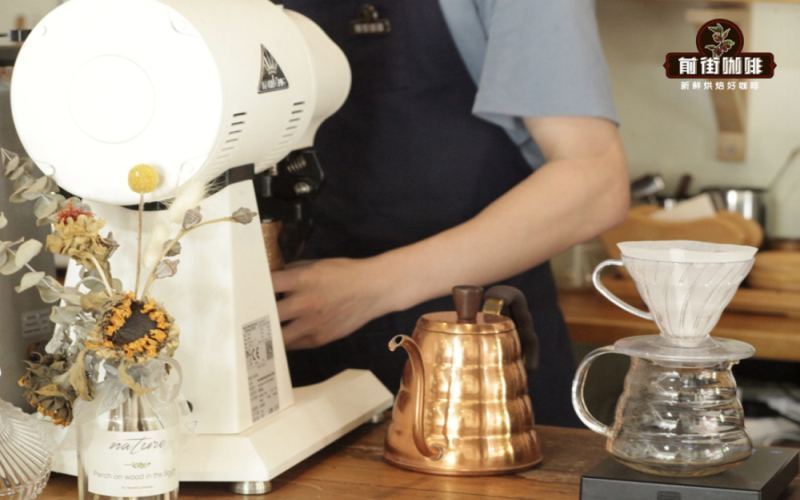
Front Street Sunflower Autumn Blend: The R&D Journey and Flavor Analysis of a Pour-Over Blend
Autumn has arrived, and Front Street Coffee has launched a blend designed specifically for pour-over—Sunflower Autumn Blend. This coffee is based on Yunnan Typica as the main component, paired with washed Yirgacheffe Kochere and Gesha Village sun-dried Geisha. After multiple raw blend experiments and roasting adjustments, it ultimately presents a soft and varied acidity, medium-high sweetness, and a lasting sweet finish. In terms of flavor, it has aromas of black tea, cocoa, caramel, jackfruit, orange, and nuts, with a clean and transparent mouthfeel, medium body, and a slight effervescence. This article will document in detail the development approach, bean composition process, roasting curve, and brewing performance of this autumn blend, making it a useful reference for coffee enthusiasts who enjoy pour-over blends. [more…]

Can a hand-brewed blend bean bring surprises? Front Street's Autumn Blend recipe concept and flavor analysis
Autumn has arrived—what should a blend suitable for pour-over look like? Starting from the original intent behind its development, this article documents in detail the birth process of Front Street Coffee's Autumn Blend. We discuss the general impression of what blends are used for, and settle on a combination approach with Yunnan smallholder coffee as the main bean and Brazil Cerrado as the companion bean. By analyzing the main bean's inclusivity, sweetness, and stability, as well as the companion bean's role in harmonizing the flavor, we ultimately arrive at a clean and clear pour-over blend with soft, varied acidity and medium-high sweetness. The article also mentions general principles of coffee blending and Front Street Coffee's commitment to fresh roasting, making it a useful reference for coffee enthusiasts. [more…]
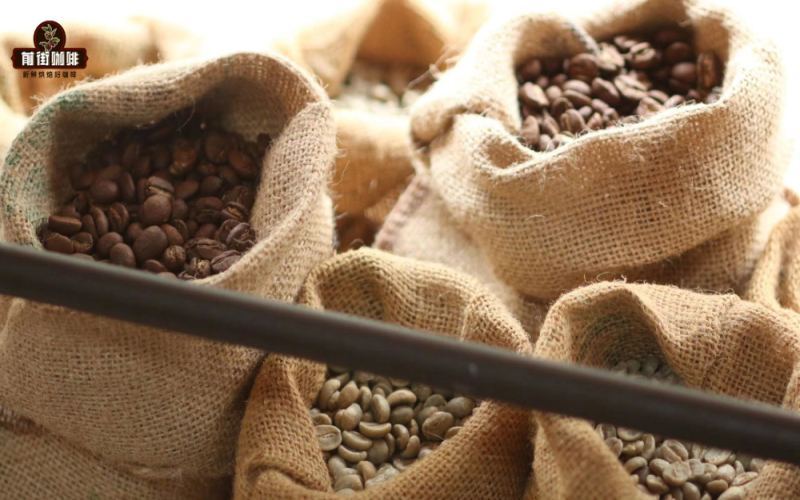
Starbucks Autumn Blend Coffee Beans Flavor Analysis: Pour-Over Techniques and Processing Methods for a Latin American Blend
Starbucks Autumn Blend coffee beans, also known as Thanksgiving Blend coffee beans, is a seasonally available blended coffee. It is a proportional blend of two classic beans: Sumatra and Guatemala Antigua. This article will analyze the characteristics of coffee beans from the Asia/Pacific region and Latin America from two dimensions: regional flavor and processing method, and provide a detailed introduction to the differences between the washed process and the semi-washed process. At the same time, the article reviews the story of how this coffee bean came to be and pairing suggestions. For enthusiasts who want to gain a deeper understanding of blending logic or try pour-over brewing, there are practical suggestions from Front Street Coffee at the end of the article, which are worth reading. [more…]
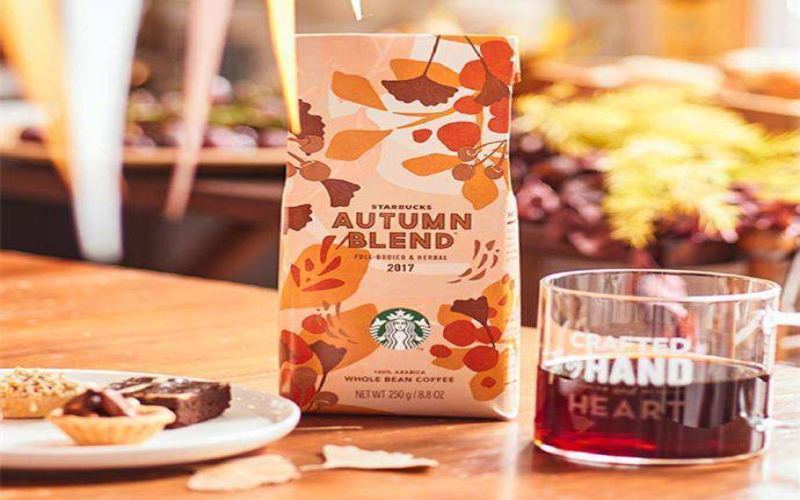
Starbucks Autumn Blend Coffee Beans Flavor Analysis: Brewing Tips for a Latin America and Sumatra Blend
As autumn breezes bring refreshing coolness, Starbucks launches its autumn blend coffee beans in maple-orange packaging every fall. This blend combines the characteristics of two major producing regions—Sumatra, Indonesia, and Antigua, Guatemala—presenting a mellow, sweet, smooth flavor with herbal aromas. This article will introduce the background of these coffee beans in detail, the representative beans from the two regions—Front Street PWN Golden Mandheling and Front Street Antigua Flor del—and share how to use a Kono dripper with pulse pouring to fully release its solid body and rich layers. Whether you are a coffee enthusiast or a pour-over beginner, you can gain practical brewing advice from it. [more…]

Can espresso blend beans handle pour-over? Exploring the autumn flavors of Front Street Yunnan blend and sharing the recipe
Pour-over coffee has always pursued the goal of showcasing the terroir of a single origin, while espresso blends are mostly designed for espresso. Can the two collide to create new possibilities? Front Street Coffee, inspired by autumn, tried using Yunnan Typica as the base, supplemented by Yirgacheffe and Gesha Village natural beans, to explore a blend recipe suitable for pour-over. From the logic of bean selection, the trade-offs between pre-roast blending and post-roast blending, to the step-by-step adjustment of the roasting curve, and then to multiple rounds of cupping and ratio optimization, the entire process not only sorts out the principles of blending but also includes specific reference parameters and flavor records, opening up new ideas for coffee enthusiasts in pour-over blending. [more…]
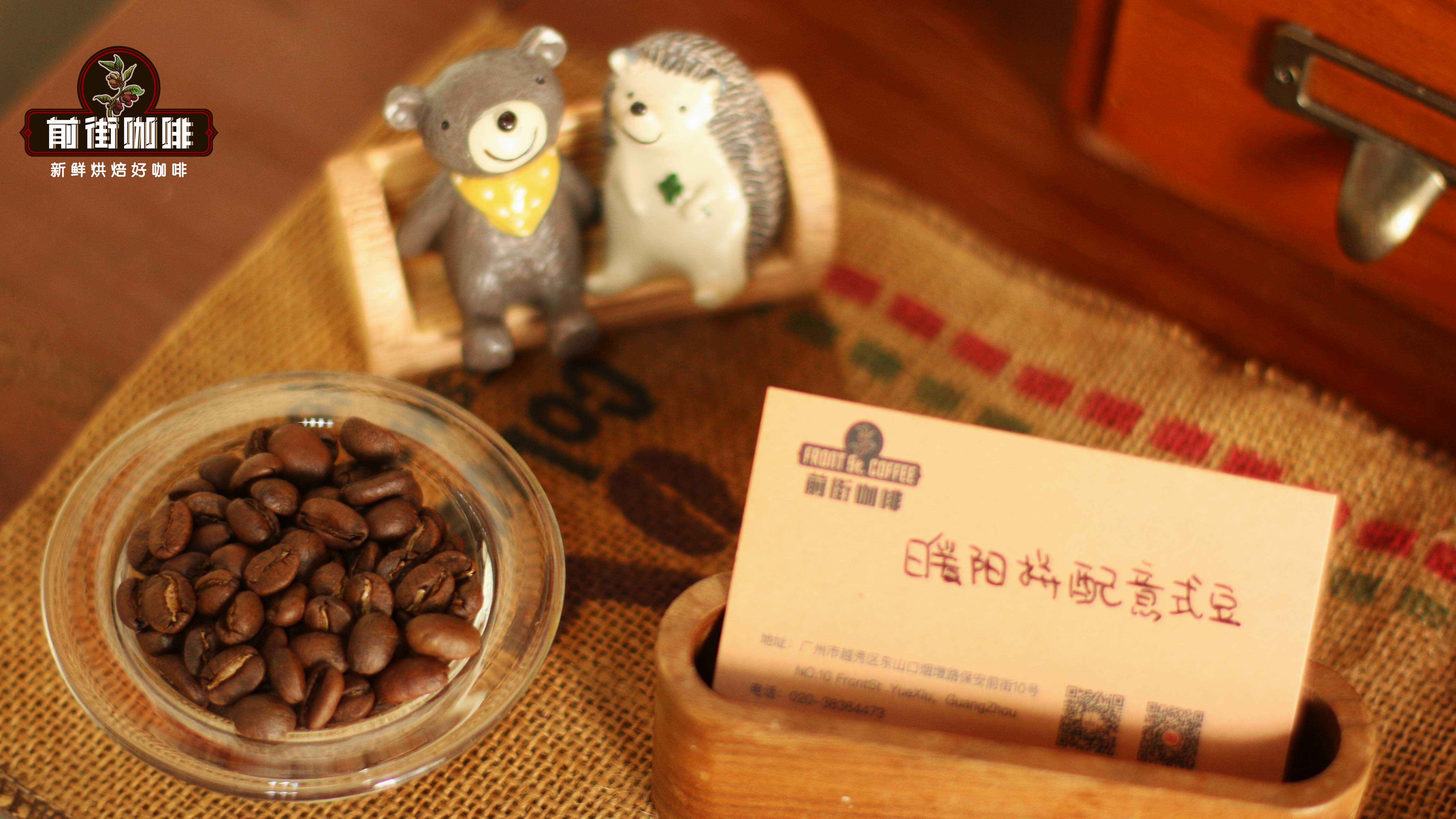
Pour-Over Blends Are a Thing Too: Front Street Coffee Autumn Blend Recipe, Roasting Parameters, and Flavor Profile Analysis
When it comes to blended beans, most people only think of espresso, but hand-brewed coffee can use them just as well. This article fully reconstructs the entire process behind Front Street Coffee's development of the "Autumn Hand-Brew Blend": why Yunnan 2013 Typica was chosen as the lead bean, how Yirgacheffe Kochere and Gesha Village sun-dried Geisha filled in the supporting roles, how raw blending and roasted blending were weighed against each other, what cup-testing iterations the 6:3:1 ratio went through, and two complete roasting curve data sets. The finished cup has soft acidity, clear sweetness, and layers of black tea, caramel, orange, and floral-fruity aromas unfolding one after another, offering a detailed reference for enthusiasts who want to try hand-brew blending. [more…]
Can Espresso Blend Beans Be Used for Pour-Over? A Full Breakdown of the R&D Process for a Yunnan Typica Autumn Pour-Over Blend
Many people assume that blended coffee beans can only be used for espresso, but Front Street Coffee has proven through actual research and development that pour-over can also handle blended beans. This article provides a complete record of Front Street's process in developing an autumn pour-over blend: from determining Yunnan Typica as the base bean, to pairing it with Yirgacheffe Kochere and Gesha Village Red Label Natural Geisha, and then to the repeated adjustments of the raw blend roasting curve and cupping verification. You will see the blending approach, the logic behind selecting the base and companion beans, the trade-offs between raw blending and roasted blending, the details of the roasting parameters, and the final flavor expression of black tea, cocoa, caramel, and jackfruit. [more…]
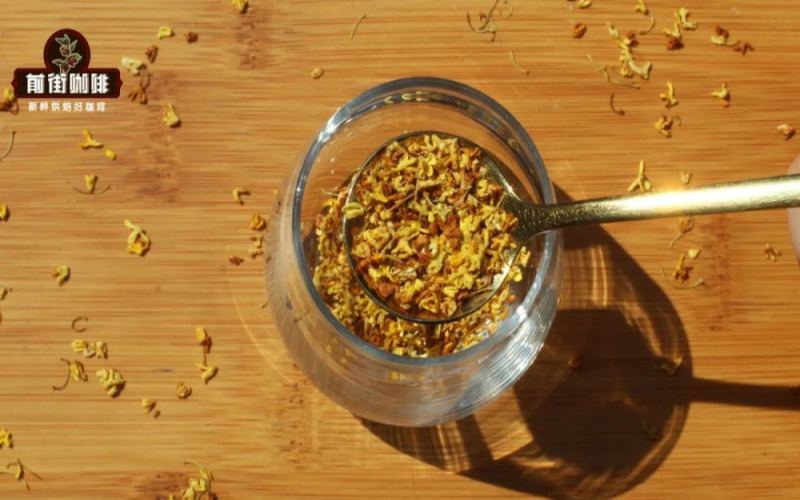
Osmanthus in Coffee: A Complete Guide to Autumn Techniques for Espresso, Latte, Flat White, Dirty, and Pour-Over
Autumn has arrived, and a cup of coffee with the fragrance of osmanthus is the perfect way to match the season. This article revolves around the combination of osmanthus and coffee. It first explains why osmanthus is suitable for coffee and the key points of processing before use, then focuses on the extraction techniques for osmanthus espresso—including why soaking is not recommended, how to avoid channeling, and the conclusions of comparative experiments placing osmanthus above and below the coffee puck. It then provides specific recipes and steps for osmanthus latte, osmanthus flat white/cappuccino, and osmanthus Dirty in turn, along with bean selection, brewing parameters, and flavor description for a cup of osmanthus pour-over. The article retains Front Street Coffee's recommendations and product information, making it suitable for coffee enthusiasts to follow step by step. [more…]

Hand-brewed Blend Coffee Beans | Can Espresso Beans Be Used for Hand-brewed Coffee? How to Blend Single-Origin Beans for Hand-brewing? Hand-brewed Blend Bean Roasting Parameters and Flavor Introduction?
As autumn turns to winter and the weather gradually cools, Front Street Coffee created the Front Street Sunflower Warm Sun espresso blend, suited to espresso, quite some time ago. Following this line of thinking, Front Street also wanted to make a blended coffee bean suitable for autumn drinking and usable for pour-over coffee. Front Street Coffee (FrontStreet C [more…]
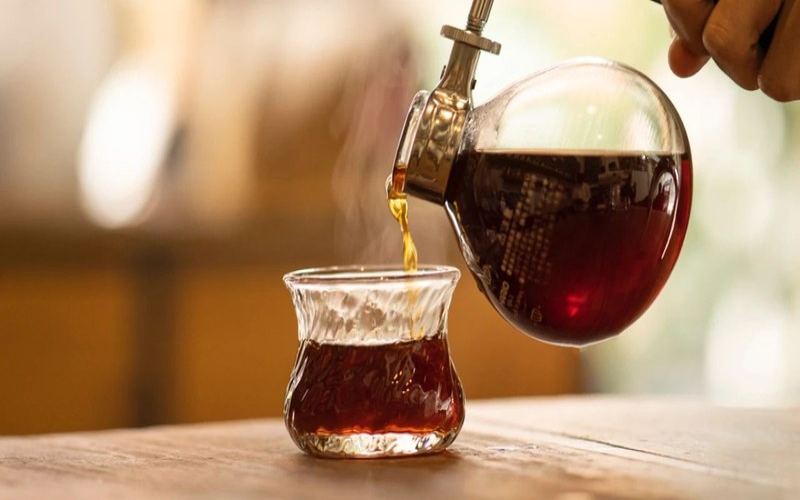
Recommended dark roast coffee beans suitable for pour-over: balancing budget and drinking frequency
When it comes to dark roast coffee beans suitable for pour-over, start by looking at how you plan to drink them every day. For everyday bean purchases, you need to consider how quickly you'll go through them, how much to buy at once, and whether you'll mainly make black coffee or milk coffee at home. If you mostly drink black coffee, you can pay more attention to aroma and aftertaste; if you often add milk, you need to consider whether the strength and body can hold up. [more…]
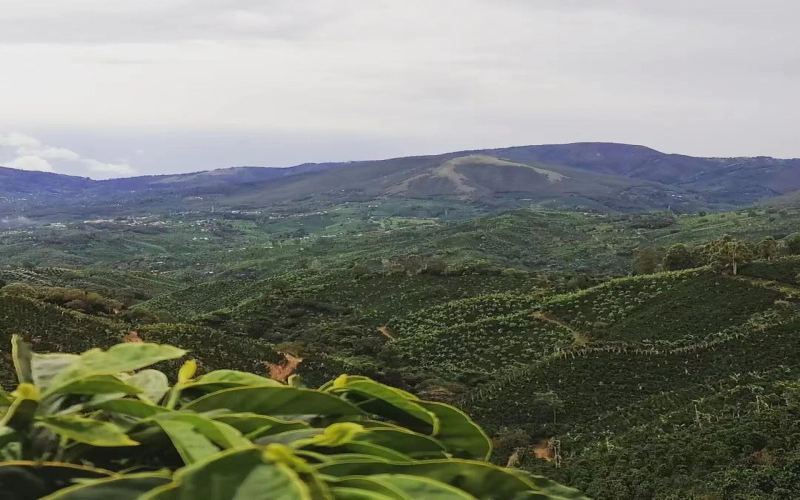
Moka Pot Coffee Beans for Beginners: Balancing Budget and Drinking Frequency
When choosing moka pot coffee beans suitable for beginners, you can set the complicated information aside for now. For everyday bean buying, you need to consider how quickly you'll drink them, how much to buy at a time, and whether you mainly make black coffee or milk coffee at home. Start with these two sets of differences—light versus rich, and black coffee versus milk coffee—then look at the roast date and processing method, and your judgment will be more [more…]
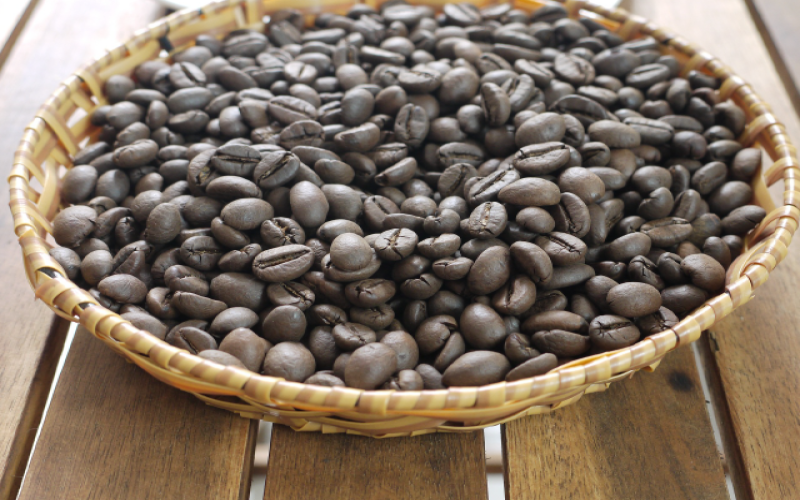
Aromatic Moka Pot Coffee Beans: Balancing Budget and Drinking Frequency
From bean to cup, a coffee must still go through grinding and extraction. When faced with aromatic moka pot coffee beans, your daily buying decision needs to consider how fast you'll drink them, how much to buy at once, and whether your home mainly makes black coffee or milk coffee. First confirm your usual equipment and preferred taste, then compare specific beans—putting this into practice will be [more…]

Chocolate-Flavored Coffee Beans Recommendation: Balancing Budget and Drinking Frequency
Chocolate-flavored coffee beans are best approached by gradually building your judgment from tasting experience. For everyday bean buying, you need to consider how quickly you'll drink them, how much to buy at once, and whether you mainly make black coffee or milk coffee at home. The flavor words on the packaging can offer clues, but they can't replace the actual drinking experience—whether the acidity is mellow, whether the sweetness lingers, whether the mouthfeel is [more…]

Nutty and Cocoa-Flavored Coffee Bean Recommendations: Balancing Budget and Drinking Frequency
Nutty and cocoa-flavored coffee beans are suited to building your judgment gradually through tasting experience. When buying beans for everyday use, you need to consider how quickly you'll drink them, how much to buy at once, and whether you mainly make black coffee or milk coffee at home. The flavor words on the packaging can offer clues, but they cannot replace the actual drinking experience—whether the acidity is gentle, whether the sweetness lingers, whether the mouthfeel [more…]
Moka Pot Specialty Coffee Beans: Balancing Budget and Drinking Frequency
When choosing specialty coffee beans for a moka pot, you can set the complex information aside for now. For everyday bean buying, you need to consider how quickly you'll drink them, how much to buy at once, and whether your home mainly makes black coffee or milk coffee. Start by looking at the two sets of differences—light versus rich, and black coffee versus milk coffee—then look at the roast date and processing method, and your judgment will be more in line with daily life. [more…]
How to Choose Americano Coffee Beans for a Moka Pot: Balancing Budget and Drinking Frequency
To understand which coffee beans suit a moka pot Americano, you need to translate flavor descriptions into what you can actually taste. For everyday bean buying, you need to consider how fast you'll drink them, how much to buy at once, and whether your household mainly makes black coffee or milk coffee. Floral, fruity acidity, nutty and cocoa notes aren't a matter of better or worse—they're different directions, and the one that suits you is the one that [more…]
Nutty Chocolate Flavor Coffee Recommendations: Balancing Budget and Drinking Frequency
When it comes to nutty and chocolatey flavored coffee, we should start with the actual cup experience. When buying beans for daily use, you need to consider how quickly you'll drink them, how much to buy at a time, and whether you mainly make black coffee or milk coffee at home. The roast level of the coffee beans determines the basic taste, the origin and processing method bring aromatic differences, and the equipment you use will change the concentration. Therefore, when selecting beans, you need to take into account [more…]
What kind of single-origin beans are suitable for making moka pot coffee: balancing budget and drinking frequency
When choosing which single-origin beans are suitable for making moka pot coffee, you can first set aside the complicated information. For everyday bean buying, you need to consider how quickly you'll drink them, how much to buy at a time, and whether you mainly make black coffee or milk coffee at home. Start from the two pairs of differences—light versus rich, and black coffee versus milk coffee—then look at the roast date and processing method to judge [more…]
What kind of coffee beans are easier to find the right fit for a Bialetti moka pot: balancing budget and drinking frequency
When it comes to coffee beans suitable for a Bialetti moka pot, start by considering how you plan to drink it every day. For everyday bean purchases, you need to think about how quickly you'll go through them, how much to buy at once, and whether you'll mainly be making black coffee or milk-based coffee at home. If you mainly drink black coffee, you can pay more attention to aroma and aftertaste; if you often add milk, then you need to consider whether the intensity and body can hold [more…]
Recommended delicious Brazilian coffee beans: balancing budget and drinking frequency
When choosing a tasty Brazilian coffee bean, you can set the complex information aside for now. For everyday bean buying, you need to consider how quickly you'll drink it, how much to buy at once, and whether you'll mainly make black coffee or milk coffee at home. Starting from these two pairs of differences—light or full-bodied, black coffee or milk coffee—and then looking at the roast date and processing method, your judgment will be more in tune with daily life. [more…]